A recent report from Footwear News highlights a clear change in the sneaker resale sector. The data shows that everyday silhouettes, specifically the Vans Old Skool and various Crocs models, are generating significant brand heat on the secondary market.
The recent StockX 10-year report covered by Complex names the Nike Dunk Low "Panda" as the most resold sneaker of the last decade. This massive transaction volume highlights a structural inefficiency in the physical resale market.
The news of the Air Jordan 5 "Wolf Grey" returning in 2026 has sparked a familiar buzz. This colorway is a certified classic, and its resurgence is a reminder of how the footwear industry operates on a predictable, oscillating rhythm.
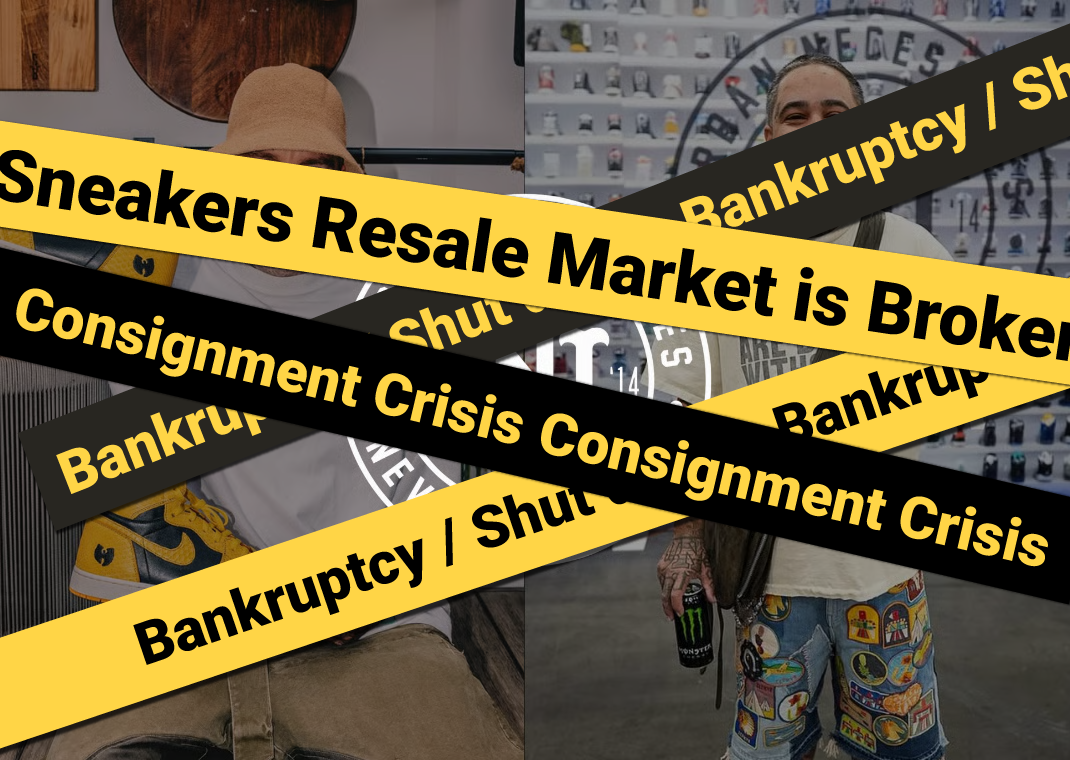
Physical consignment stores dominated sneaker resale for years. Walk in, drop off your Jordans, let the shop handle authentication and sales, collect your payout. Simple. Trusted. Until recently.
Trading sneakers on traditional resale platforms can often feel like a "goldmine for enthusiasts and resellers". You see a market price of $300, you buy a pair for $220, and on paper, you have made a clean $80 profit.But when the payout finally hits your account, that number looks very different.
For years, the strategy was simple. Camp out (physically or digitally), secure a general release, and flip it for double the price by the next morning.
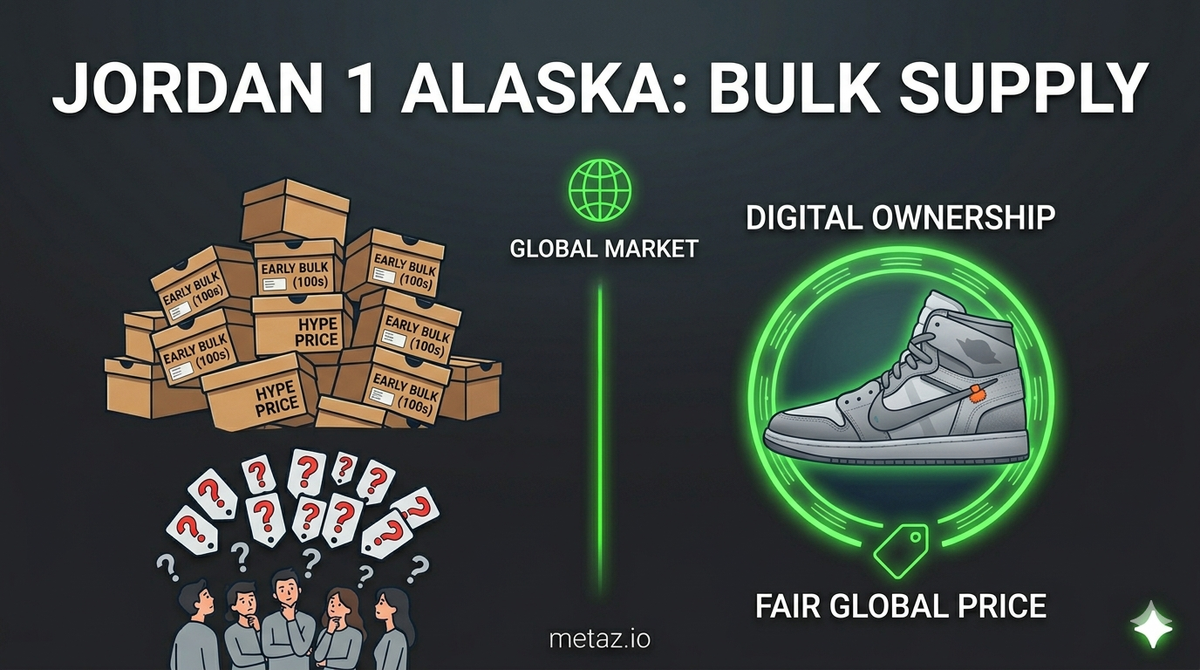
For the modern investor, holding physical assets presents a logistical nightmare. You shouldn't need to manage a warehouse to build a professional portfolio. That is why we built the METAZ Vault.
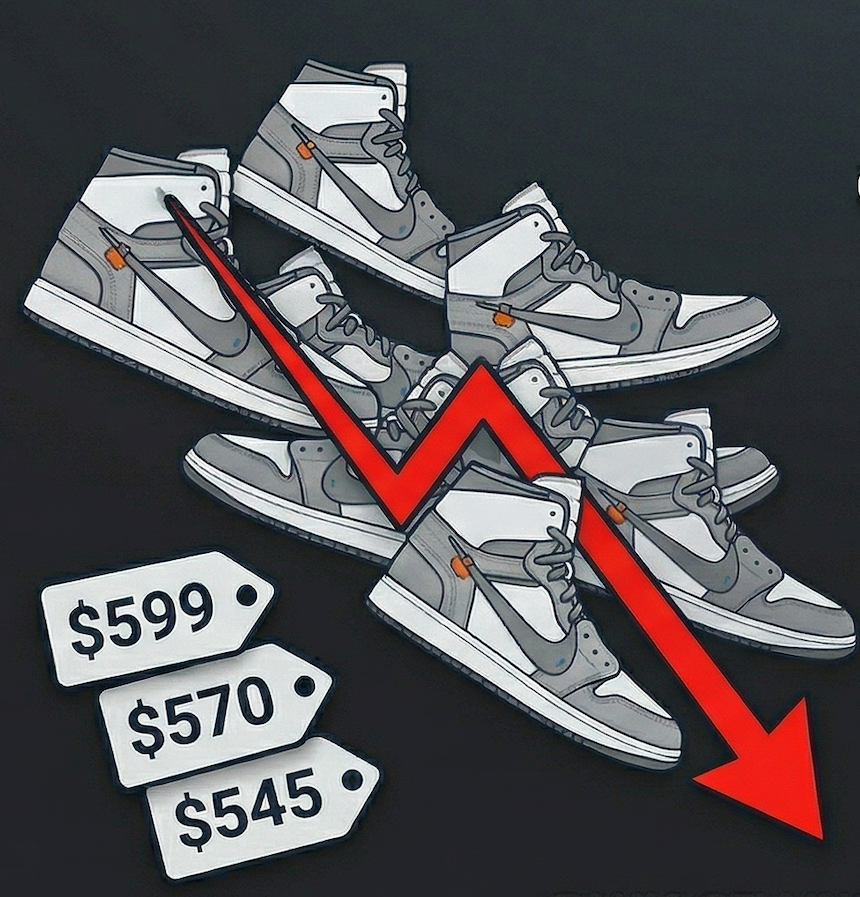
As the traditional resale model matures and margins shrink, investors and resellers are searching for new edges that aren’t dependent on hype or timing. Global arbitrage has always been one of the strongest sources of pricing advantage, but only for those with global logistics capabilities.