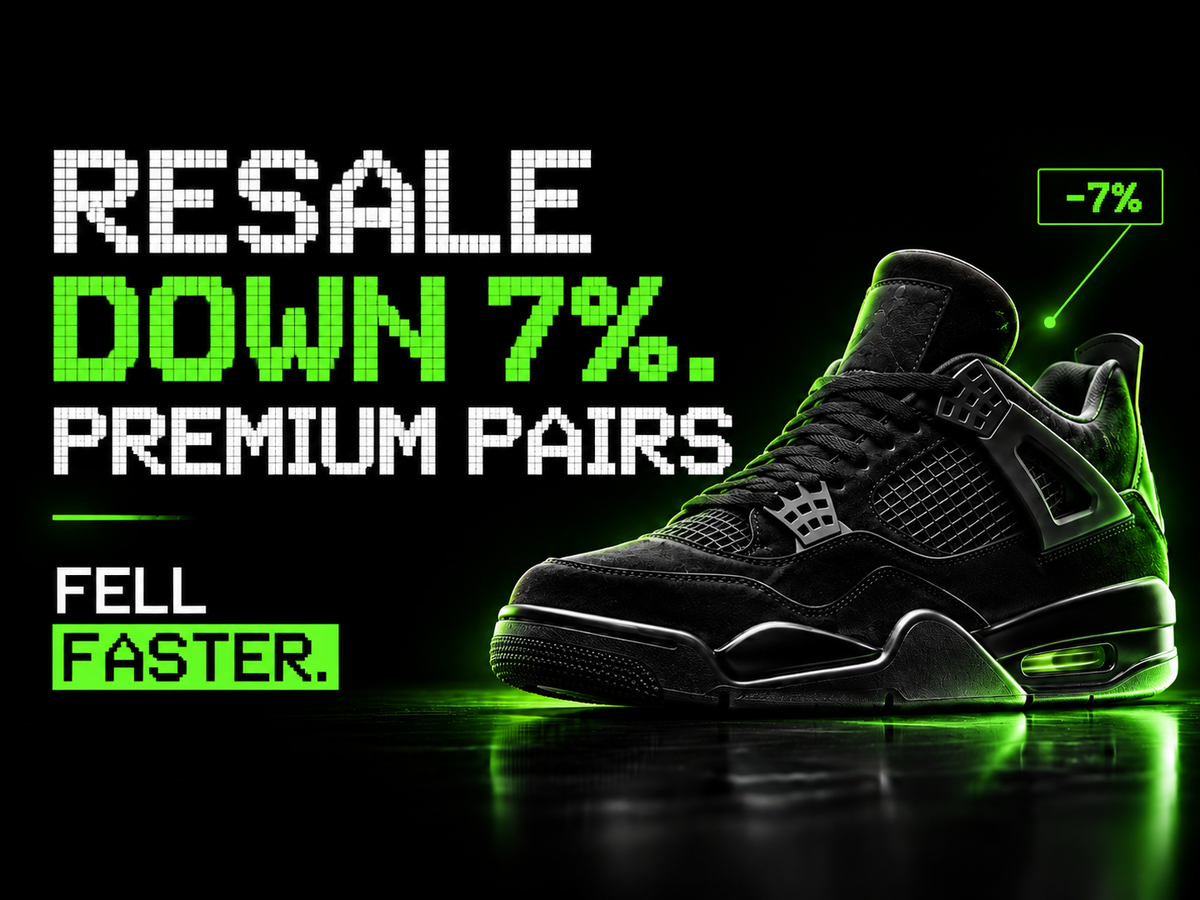
September 2026 resale data shows the same sneakers trading for a median 7 percent less than during the same period last year.
Pairs that were already worth $200 or more fell 11.1 percent.
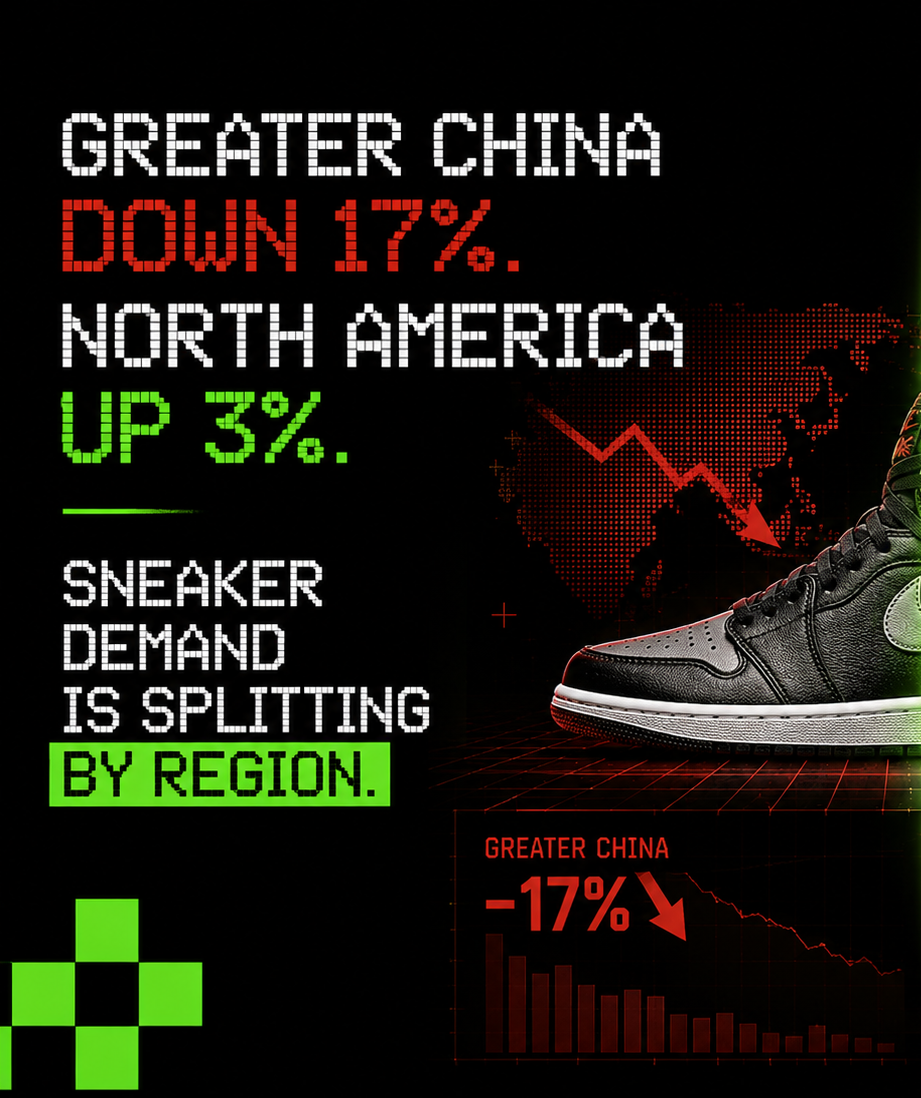
Nike's fiscal 2026 fourth quarter shows the same brand performing very differently depending on where the buyer is standing. For anyone holding inventory in one place, that is a liquidity problem.
On June 24, 2026, StockX launched StockX Listings, its first marketplace for used sneakers and vintage apparel. The detail nobody covered is what happened to authentication.
StockX announced StockX Live this summer: a real-time auction format built into its existing app and website. Auctions start at $1. Categories include sneakers, apparel, trading cards, and collectibles. What does this mean for sneaker resale?
The recent StockX 10-year report covered by Complex names the Nike Dunk Low "Panda" as the most resold sneaker of the last decade. This massive transaction volume highlights a structural inefficiency in the physical resale market.
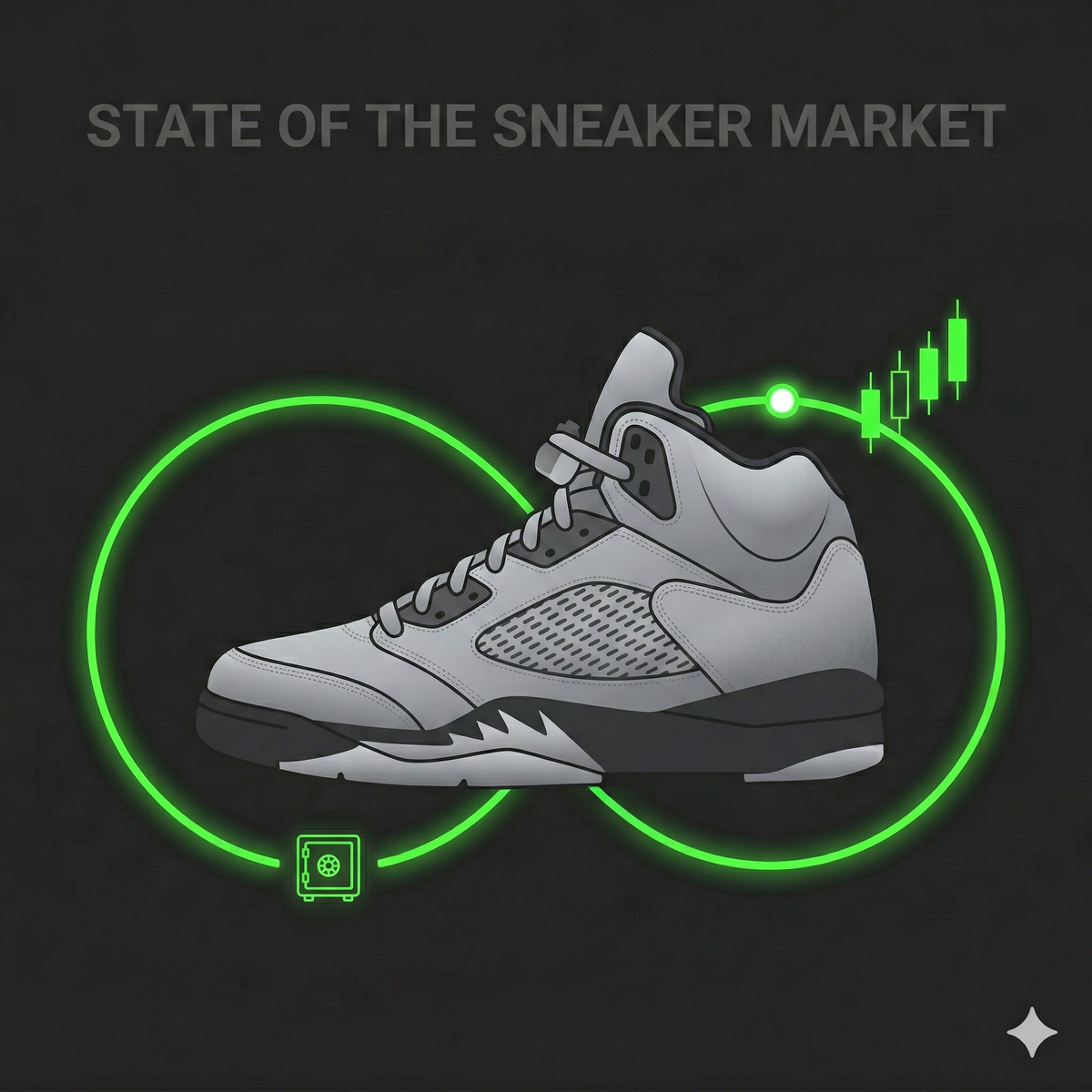
The news of the Air Jordan 5 "Wolf Grey" returning in 2026 has sparked a familiar buzz. This colorway is a certified classic, and its resurgence is a reminder of how the footwear industry operates on a predictable, oscillating rhythm.
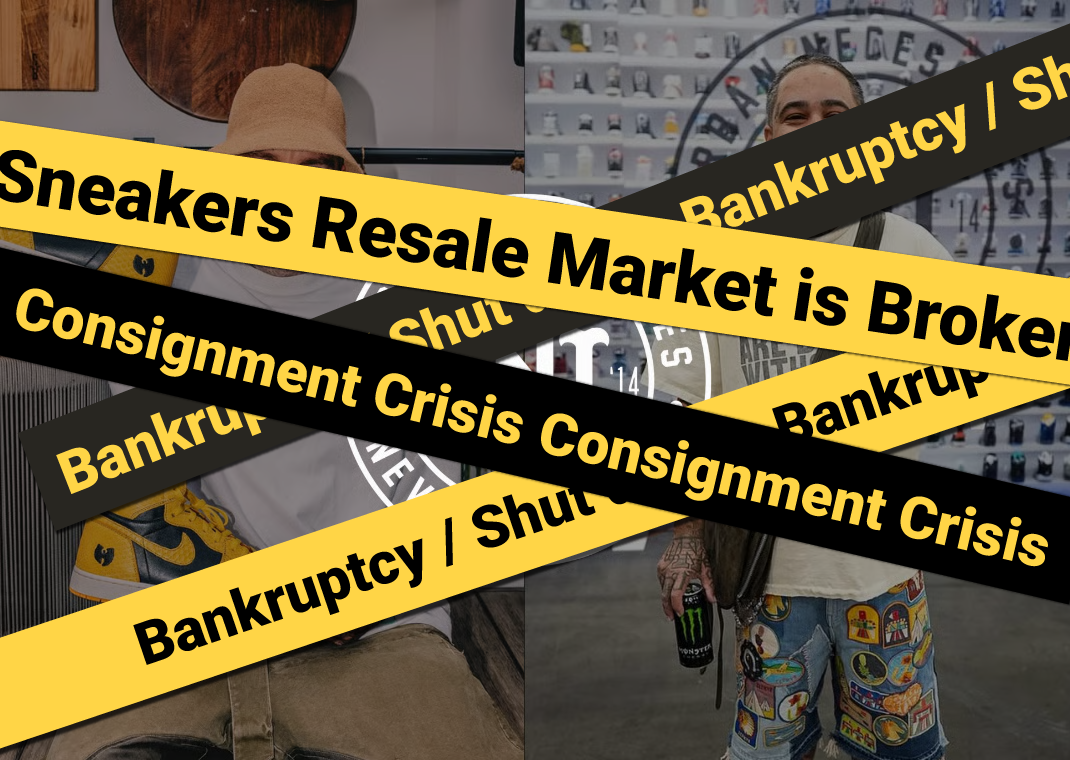
Physical consignment stores dominated sneaker resale for years. Walk in, drop off your Jordans, let the shop handle authentication and sales, collect your payout. Simple. Trusted. Until recently.
When a user buys a tokenized sneaker on METAZ, ownership transfers instantly. Want to flip it an hour later because the market spiked? Go ahead. The physical sneaker stays secure in the vault while digital ownership changes hands in real-time.
Modern resellers operate warehouses tracking hundreds of items across multiple authentication stages. They hire teams. They treat it like a real business because margins demand it. The industry professionalized because it had to.
Authentication delays create a compounding problem for volume resellers. With margins now requiring "maybe a hundred shoes to flip to make that same $1,000" that one flip generated years ago, resellers need velocity.